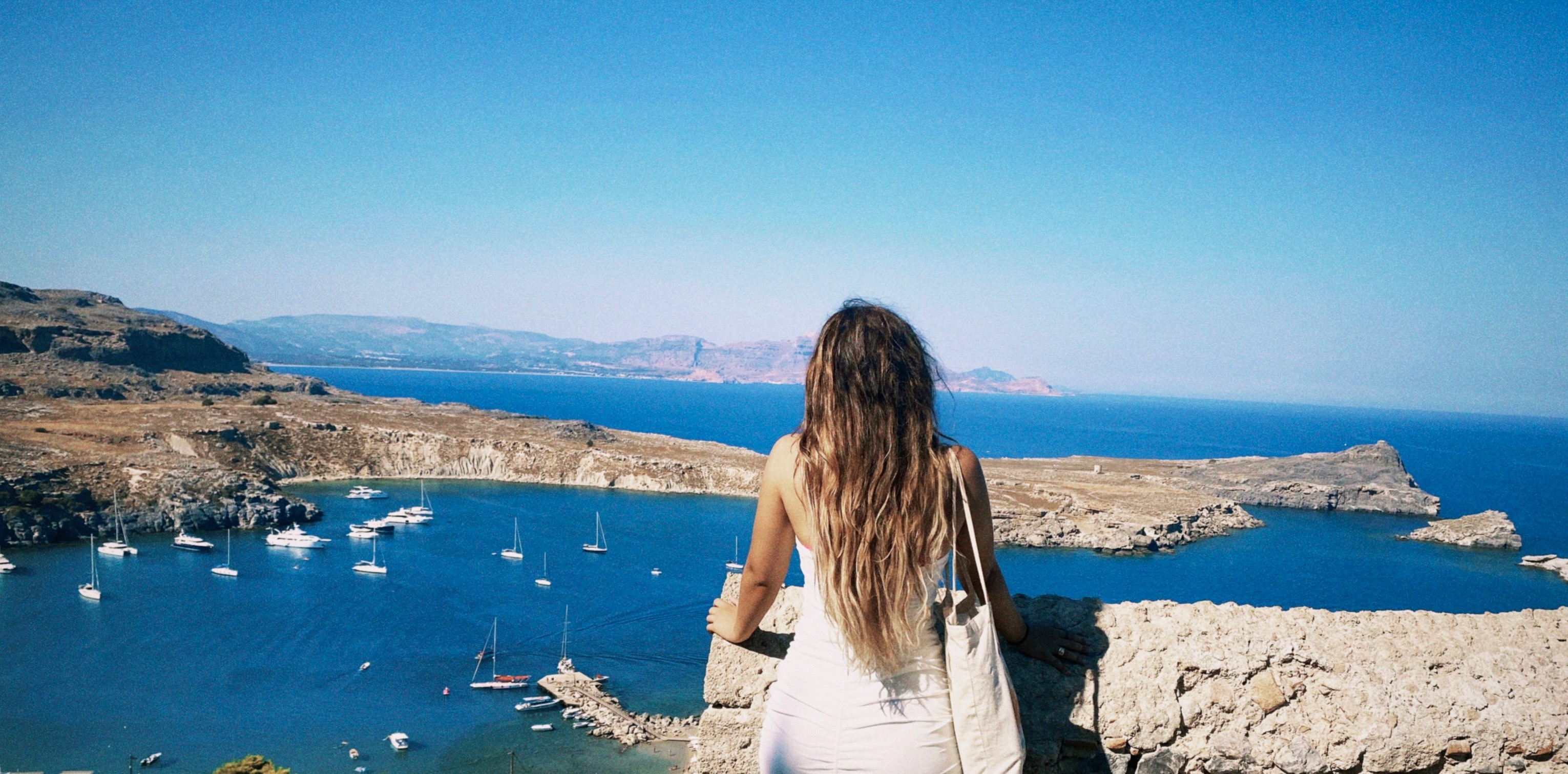
At 23, I’ve been fortunate enough to visit more than 30 countries.
With 21 of them being alone!
While that might sound like a polished highlight reel, the truth is far messier.
Solo travel has given me some of the most incredible experiences of my life, but it has also come with a book of mistakes, uncomfortable moments, and lessons I had to learn the hard way.
Looking back, there are a few things I wish someone had told me before I booked my first solo flight.
If you’re considering traveling alone for the first time, consider this the advice I wish I had earlier.
1. It’s Normal to Feel Lonely at First
Being alone doesn’t necessarily mean being lonely. In fact, solo travel can teach you to appreciate your own company in ways you might never experience at home.
But loneliness does happen, especially during stressful moments.
I remember arriving in South Korea and quickly realizing that Google Maps (they use Naver map instead), my usual travel lifeline, didn’t work the same way there.
Suddenly something as simple as navigating public transportation became overwhelming and I quickly went into instant panic mode.
Moments like that can make you question why you chose to travel alone in the first place.
But once you push through those moments, something shifts.
You begin to realize how capable you actually are. That sense of independence, knowing you figured things out on your own, becomes one of the most rewarding parts of solo travel.
However, ironically, some of the loneliest moments I’ve experienced while traveling have also been the happiest ones.
On my first solo trip to Rhodes, Greece, I watched the sunset over the beach in Lindos. It was one of those quiet, perfect travel moments. Golden light over the water, a peaceful evening, the kind of scene that makes you pause and feel grateful just to be there.
At the same time, I felt a deep urge to share it with someone I loved.
Over time, I’ve learned to accept that those two feelings can exist at once. Joy and loneliness can sit side by side. Even now, after many solo trips, I still experience both.
And that’s okay. It’s part of the experience.
Solo travel also doesn’t mean you’ll always be alone. Some of the most meaningful connections I’ve made have happened while traveling, from quick conversations with strangers to friendships that have lasted long after the trip ended.
The loneliness fades. The memories stay.

2. Travel Won’t Magically Fix All Your Problems
One of the biggest misconceptions about travel is that it somehow resets your life.
The truth is that you carry your emotional baggage the same way you carry your suitcase.
When I first started traveling, I didn’t realize how much emotional weight I was bringing with me.
A change of scenery can help. Sunshine and ocean views certainly beat long Canadian winters. But beautiful landscapes don’t magically erase whatever you’re feeling inside.
I realized that during a quiet moment in Kotor, Montenegro.
I was sitting by the ocean, eating pizza, surrounded by one of the most beautiful views I’d ever seen, and yet I felt the same sadness I thought I had left behind.
At the time I had been moving constantly, rarely staying anywhere longer than a couple of days. My body was exhausted from travel and mentally I felt drained.
That moment taught me something important. Travel can offer perspective, but it cannot replace the work of confronting your emotions.
Solo travel can absolutely be healing, but it is not a cure-all.
The inner work still has to happen wherever in the world you are.

3. Discomfort Is Part of the Journey
Traveling alone in a foreign country is uncomfortable, and that is often where the growth happens.
At first everything feels unfamiliar: New languages, new systems, new customs.
Even simple tasks can feel overwhelming.
But slowly you adapt.
You start navigating cities without relying on your phone every few minutes. You learn how to communicate even when you do not share the same language. You realize just how adaptable you really are.
For me, one of the most uncomfortable parts of traveling has been food.
As a ‘slightly’ picky eater, trying unfamiliar dishes can feel intimidating. But it is also how I have discovered some of my favourite foods.
If I had not convinced myself to try a pastel de nata in Lisbon, I would have missed what is now my favourite pastry in the world!
Of course not every experiment has been successful… After trying octopus in Japan, I can confidently say it is not something I plan to order again.
But that is part of the experience too.
Travel teaches you that it is okay to try something once, decide it is not for you, and move on.


4. A Little Preparation Makes a Big Difference
While I have become a more relaxed “type B” traveler over time, I have learned that a small amount of preparation can prevent a lot of unnecessary stress.
Unexpected things will always happen while traveling. But being prepared for the basics makes those moments easier to handle.
Before arriving in a new country, I now make sure I have internet access ready to go with a downloaded E-Sim, since airport WiFi can be unreliable.. Having a working connection as soon as you land makes navigating transportation or contacting accommodation much easier.
I also try to book accommodation in central areas close to public transit or major attractions. It makes exploring a new city far more manageable, especially during those first unfamiliar days.
Even something as simple as packing the night before or researching a few local spots ahead of time can make a big difference.
Preparation does not remove the spontaneity of travel.
It simply gives you a stronger foundation to enjoy it.
5. Trust Your Intuition
If there is one skill solo travel strengthens more than anything else, it is your intuition.
Especially when traveling alone, your instincts become one of your most important tools.
If a situation feels uncomfortable, trust that feeling. You do not need to justify prioritizing your safety.
That might mean leaving somewhere earlier than planned, changing routes, or choosing not to engage in a situation that feels off.
Solo travel offers incredible freedom, but it also requires awareness. Paying attention to your surroundings and listening to your instincts helps you navigate unfamiliar environments with confidence.
More often than not, your intuition knows what is best.
The Real Gift of Solo Travel
Solo travel is not always glamorous. It can be unpredictable, uncomfortable, and occasionally lonely.
But it is also one of the most transformative experiences you can give yourself.
Every trip, every mistake, and every unfamiliar moment teaches you something about the world and about yourself. You begin to realize that courage is not the absence of fear. It is choosing to move forward despite it.
So if you have been thinking about taking that first solo trip, consider this your sign.
Do it while you are nervous. Do it while you are uncertain.
Because on the other side of that fear is something powerful: independence, confidence, and a version of yourself you may not have met yet.



Leave a Reply